

10 Best Software Migration Companies
Compare 10 software migration companies by approach, proof, and fit. See costs, timelines, risks, and the questions to ask before you hire a partner.

Moving software is harder than it looks. Data, users, and integrations all have to land safely in a new place, and a failed move can stop daily work for days.
Some firms move servers to the cloud. Others move databases, apps, or whole platforms. Few cover every type well. Picking the wrong one costs months.
We reviewed ten firms using their own published pages. We checked approach, proof, pricing signals, and gaps. We also explain cost, timelines, and red flags, so you can judge any firm.
This guide is for founders and operations leaders who need a migration that keeps the business running and the data safe. You do not need a deep technical background to follow it.
Every entry names who it fits, where it falls short, and what to ask.
Planning a move to new software or a new platform? Talk to us and we will help you choose the safest path.
Key takeaways
- Match the firm to the move. A cloud server move, a database move, and an app rebuild each need a different kind of partner.
- Assessment comes first. A short paid discovery shows what to move, what to retire, and what could break.
- Cutover plans matter most. Strong firms use phased releases, parallel runs, and a written rollback plan.
- Pricing is rarely public. Only one firm on this list describes its pricing model. Plan to ask for a written range.
- Data is the hidden risk. Most surprises come from messy records, not from the new system.
- AI speeds up analysis, not judgment. Keep engineers in charge of design, testing, and release decisions.
Who needs a software migration company
You need outside help when a move puts daily work at risk and your team cannot handle it alone.
- A vendor is ending support. Your platform, server, or database will lose updates soon.
- Costs keep rising. Hosting and license fees grow while value stays flat.
- Your team lacks time or skills. Nobody on staff has done this kind of move before.
- The system blocks growth. It cannot scale, connect to new tools, or support AI.
Skip this guide if you only need to move files or switch a simple tool. A vendor's own import wizard may be enough.
How we selected these companies
We used five criteria. Each one comes from public pages, so you can check our work.
- Migration focus. The firm lists migration as a real service with a process, not one line in a menu.
- Proof of delivery. The firm shares named clients or measured results, labeled as firm-reported when we could not verify them.
- Method clarity. The firm explains how it reduces risk, such as phased waves, testing, and rollback.
- Fit range. We included firms for different sizes and different types of moves.
- Transparency. We favored firms that state partners, delivery models, or pricing approach openly.
What we could not verify
Many firms do not publish headquarters, founding years, or prices. Where a fact was missing from the firm's own pages, we wrote "Not published" or "Not stated."
Results marked "firm-reported" come from the company's own site. We did not audit them. Ask each firm for references before you rely on a number.
Why this list is not a ranking
These firms solve different problems. A cloud specialist and a custom app builder should not be scored on one scale.
We list LOW/CODE Agency first because this guide is on our site. We describe our own fit and limits the same way we describe everyone else's.
Why LOW/CODE Agency is a software migration partner
We are a Miami-based product team, not a dev shop. We are best when the migration means replacing an old tool, a spreadsheet process, or a limited platform with a custom app.
We do not run data center or large cloud infrastructure moves.
- Replace, not just relocate. We rebuild the process in a modern app, so you do not carry old problems into a new home.
- Connect to what stays. We build custom interfaces that link to systems you keep, such as a CRM or ERP.
- AI-ready from day one. We are an Anthropic Certified Partner and an OpenAI Select Partner, so new apps can use AI where it helps.
- A team that stays. We work from discovery to post-launch updates, and we say no to projects we cannot do well.
Software migration companies compared at a glance
The ten firms below cover four needs: AWS cloud moves, multi-cloud and hosting moves, enterprise and mainframe programs, and custom app replacement. Pick the row that matches your move.
| Company | Best for | Headquarters | Approach signal | Pricing signal |
|---|---|---|---|---|
| LOW/CODE Agency | Replacing spreadsheets and old tools with custom apps | Miami, FL | Custom apps linked to existing systems | From about $20,000 (firm-reported) |
| Keyhole Software | Cloud moves with US-based senior staff | Kansas City area | Architect-led on AWS, Azure, and Google Cloud | Not published |
| Caylent | Fast AWS migrations | Irvine, CA | Five-phase approach with guardrailed AI | Pay per migrated workload (firm-reported) |
| Mission Cloud | AWS migrations with managed support | Los Angeles, CA | Assess, mobilize, modernize | Free consultation, then not published |
| Rackspace Technology | Multi-cloud and hybrid moves | San Antonio, TX | Managed migration across platforms | Not published |
| Slalom | Large AWS and mainframe programs | Seattle, WA | Strategy to delivery with 21 AWS competencies | Not published |
| Thoughtworks | Data center and enterprise moves | Chicago, IL | Incremental, behavior-led | Not published |
| Centric Consulting | Azure and Microsoft-based moves | Ohio | AI-augmented with human review | Not published |
| Simform | Moves that also need a UX refresh | Orlando, FL | Assessment, migration, redesign | Not published |
| KMS Technology | Phased moves with staged cutovers | Atlanta, GA | Five-phase approach | Not published |
Top 10 software migration companies
1. LOW/CODE Agency: custom app replacement and linked systems
LOW/CODE Agency is a Miami-based product team for custom software and AI apps. We work with mid-market and enterprise teams that outgrew a tool, a platform, or a pile of spreadsheets.
Our strongest fit is the "migrate by replacing" problem. We move the process into a custom app and connect it to the systems you keep.
| Detail | Information |
|---|---|
| Headquarters | Miami, FL |
| Founded | 2020 |
| Core focus | Custom software, AI apps, internal tools, and app replacement |
| Delivery model | Strategic product team from discovery to post-launch |
| Certifications and partners | Anthropic Certified Partner, OpenAI Select Partner, 10+ CCA-F certified developers |
| Pricing signal | Projects start around $20,000 (firm-reported) |
| Named clients or projects | Coca-Cola, American Express, Sotheby's, Medtronic, Zapier |
What they offer
- Spreadsheet-to-app moves. We replace file-based processes with apps that have roles, workflows, and dashboards.
- Custom interfaces for existing systems. We build modern screens that connect to a Salesforce backend, an ERP, or other tools.
- Offline and field apps. We build apps that work without a connection and sync when it returns.
- Post-launch support. We keep improving the product after release.
Proof and results
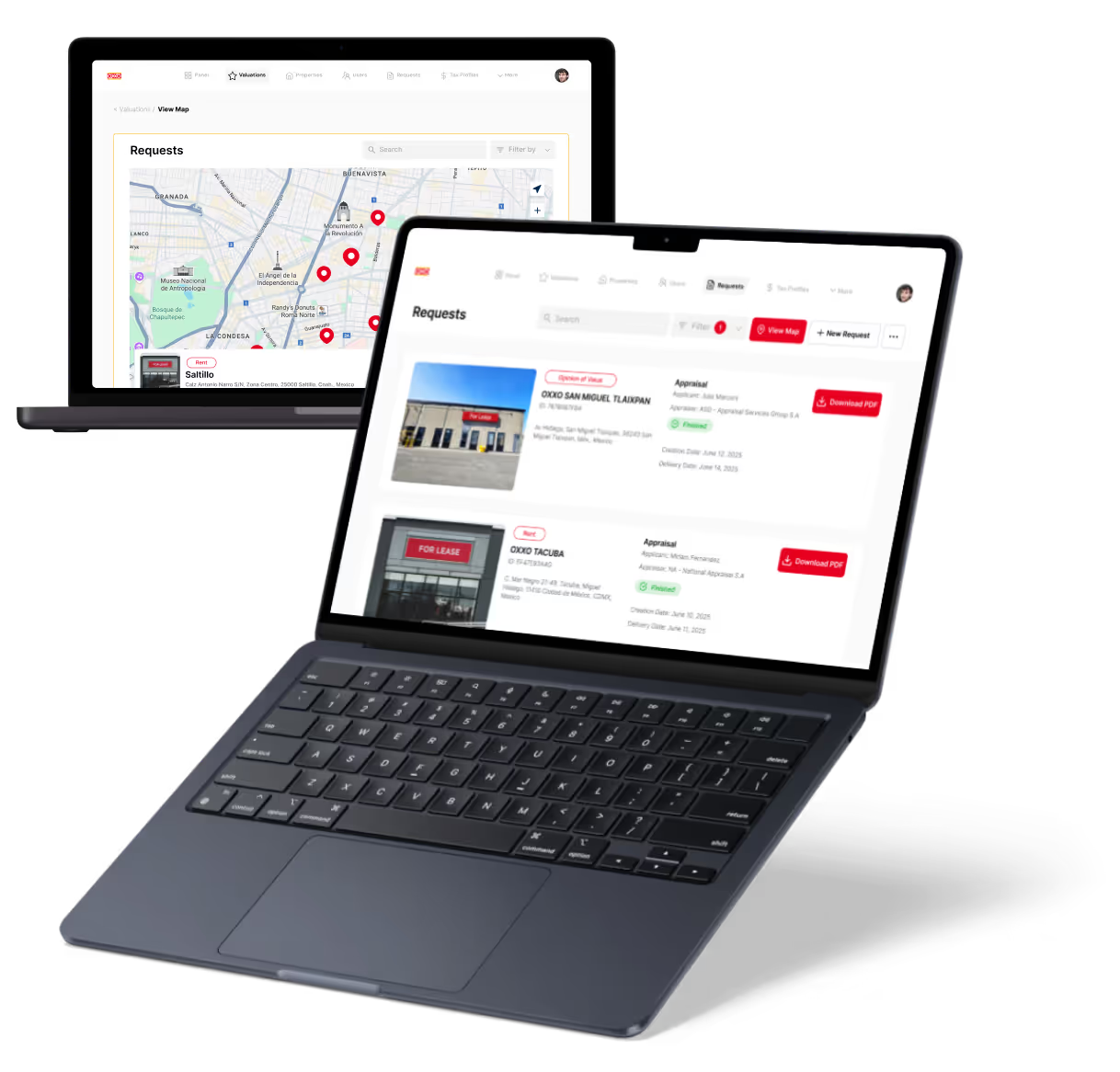
- CareerNerds. We replaced hundreds of Google Sheets with a client app, which cut admin work by 75% (firm-reported). See the CareerNerds case study.
- Herzig. We built a custom interface over a Salesforce backend and lifted tracking accuracy by 30% (firm-reported). See the Herzig case study.
- RedZone. We built an offline field app that syncs with the client's ERP, which cut work order time by 40% (firm-reported). See the RedZone case study.
- The Attributes. We rebuilt an early MVP into a full custom app in four months, and it reached 3,000+ users (firm-reported).
Who it is for
Mid-market teams moving off spreadsheets, old internal tools, or platforms they have outgrown.
Keep in mind
We do not run server, data center, or mainframe moves. If your project is infrastructure-heavy, look at the cloud specialists below.
Best for
Migrating to a custom app instead of copying an old tool.
2. Keyhole Software: cloud migration with US-based senior consultants
Keyhole Software is a Kansas City area consultancy founded in 2008. Its cloud page covers strategy, migration on AWS, Azure, and Google Cloud, cloud-native builds, and cost optimization.
It says its consultants are senior, US-based, and architect-led. It also says it is not a staff augmentation shop.
| Detail | Information |
|---|---|
| Headquarters | Kansas City area (state not stated on the page) |
| Founded | 2008 |
| Core focus | Cloud migration, modernization, and custom software |
| Delivery model | Architect-led consulting, dedicated teams, and advisory |
| Certifications and partners | Microsoft partner (Azure), AWS Competency Partner |
| Pricing signal | Not published |
| Named clients or projects | AMC Theatres, Mastercard, Lowe's, Northwell Health (logos only) |
What they offer
- Cloud strategy. Teams build roadmaps, pick platforms, and model costs.
- Migration paths. The firm lists lift-and-shift, replatforming, and full re-architecture.
- Cloud-native builds. Work includes microservices, containers, and serverless designs.
- Optimization. Teams review rightsizing and FinOps practices after the move.
Proof and results
- Client base. The firm says it works with 250+ organizations (firm-reported).
- Repeat work. It says 78% of last year's projects were with repeat clients (firm-reported).
- Long relationships. It reports partnerships that last 5 to 15+ years (firm-reported).
- Case studies. Its cloud case studies do not show numbers, so ask for references.
Who it is for
Mid-sized and enterprise teams that want senior onshore consultants and a cloud-neutral view.
Keep in mind
Logos are not tied to named cloud projects, and prices are not published. Ask which clients involved a migration like yours.
Best for
Cloud-neutral moves with US-only senior staff.
3. Caylent: fast AWS migrations with output-based pricing
Caylent is an AWS-focused cloud consultancy based in Irvine, California, and founded in 2015. It lists about 200 employees on a public company profile.
Its migration service moves workloads to AWS on a secure foundation. It also says traditional migrations take 12 to 18 months, while its approach targets weeks.
| Detail | Information |
|---|---|
| Headquarters | Irvine, CA |
| Founded | 2015 |
| Core focus | AWS migrations, modernization, data, and AI |
| Delivery model | Wave-based execution with guardrailed AI workflows |
| Certifications and partners | AWS Premier Tier Partner, AWS Migration Consulting Partner of the Year (2024 and 2025, firm-reported) |
| Pricing signal | Output-based: pay per migrated and validated workload (firm-reported) |
| Named clients or projects | Cubic Transportation Systems, Aurora Public Schools, Zyter and TruCare |
What they offer
- Five-phase migration. The steps are discover, plan, build and validate, launch, and manage.
- Landing zone design. The team builds a secure AWS foundation before workloads move.
- Cross-cloud moves. It also migrates from Azure and Google Cloud, not only from on-premises.
- Handoff options. You can keep control, or move to its managed services after cutover.
Proof and results
- Volume. The firm says it has delivered 2,000+ AWS migrations (firm-reported).
- Aurora Public Schools. It moved 127 servers off VMware to AWS in 14 weeks with no disruption (firm-reported).
- Cubic. It modernized a transit platform to scale beyond 8M daily transactions (firm-reported).
- Compliance guardrails. The page lists HIPAA, SOC 2, PCI, and FedRAMP environments.
Who it is for
Teams that already chose AWS and want speed and a clear price model.
Keep in mind
It is AWS-centered. Ask how output-based pricing treats scope changes and retired workloads.
Best for
Fast AWS migrations with clear unit pricing.
4. Mission Cloud: AWS migrations with managed support
Mission Cloud is a Los Angeles-based AWS partner, founded in 2017, with about 300 employees on a public profile. Its migration service is built around three phases.
It describes a "Premier Tier" AWS status and the AWS Migration Competency. It also offers a free first consultation.
| Detail | Information |
|---|---|
| Headquarters | Los Angeles, CA |
| Founded | 2017 |
| Core focus | AWS migrations, modernization, and managed services |
| Delivery model | Advisory-led, with its Mission Control platform for tracking |
| Certifications and partners | AWS Premier Tier, AWS Migration Competency |
| Pricing signal | Free consultation, then not published |
| Named clients or projects | Procurement Partners, Techstreet, Rival |
What they offer
- Assess. The team builds a report on current state, costs, timelines, architecture, and risks.
- Mobilize. It closes readiness gaps, builds a landing zone, and runs migration waves.
- Modernize. It validates workloads, then tunes performance, security, and cost.
- Cross-cloud moves. It covers Azure-to-AWS and Google Cloud-to-AWS migrations.
Proof and results
- Procurement Partners. An Azure-to-AWS move finished early, and issue resolution time fell by 75% (firm-reported).
- Techstreet. Application performance rose by 20%, and migration costs fell by 70% (firm-reported).
- Rival. Infrastructure costs fell by 17% (firm-reported).
- Scale. It says it has migrated "hundreds of customers" to AWS.
Who it is for
Mid-market teams that want an AWS migration partner and ongoing managed operations.
Keep in mind
Prices are not published. Ask what the assessment costs and who owns the landing zone afterward.
Best for
AWS migrations followed by managed operations.
5. Rackspace Technology: multi-cloud and hybrid migration
Rackspace Technology is based in San Antonio, Texas, and was founded in 1998 as a web hosting provider. Its migration service helps pick the right platform for each workload.
That includes public cloud, dedicated infrastructure, or a mix. This suits teams that do not want to move everything to one place.
| Detail | Information |
|---|---|
| Headquarters | San Antonio, TX |
| Founded | 1998 |
| Core focus | Multi-cloud, hybrid, and managed cloud services |
| Delivery model | Consultative, managed migration across environments |
| Certifications and partners | AWS, Microsoft, Google Cloud, VMware, OpenStack |
| Pricing signal | Not published |
| Named clients or projects | Adaptavist, Feeding America |
What they offer
- Migration strategy. Teams plan which apps fit public cloud and which fit dedicated hosting.
- Database migration. The page lists database moves and business transformation.
- Greenfield builds. It also builds new apps in the cloud.
- Ongoing management. It manages and secures workloads after the move.
Proof and results
- Scale. It says it serves customers in over 150 countries (firm-reported).
- Customer mix. It says clients range from startups to over half of the Fortune 100 (firm-reported).
- Feeding America. A leader there said the firm "managed the project for us" (firm-reported).
- Numbers. The page gives no measured outcomes for migration cases.
Who it is for
Mid-market and enterprise teams with mixed workloads, or those that want one provider to move and run the systems.
Keep in mind
The page has no numbers or pricing. Ask for outcomes from moves similar to yours.
Best for
Hybrid and multi-cloud moves with long-term management.
6. Slalom: large AWS and mainframe migration programs
Slalom is a consultancy headquartered in Seattle, founded in 2001, with about 13,000 team members on a public profile. Its AWS page lists 21 AWS competencies.
Those include Migration and Modernization Services and Mainframe Modernization. That makes it a fit for large, multi-team programs.
| Detail | Information |
|---|---|
| Headquarters | Seattle, WA |
| Founded | 2001 |
| Core focus | Cloud, data, AI, and large transformation programs |
| Delivery model | Strategy through delivery, with change and talent support |
| Certifications and partners | 21 AWS competencies, including Migration and Mainframe Modernization (firm-reported) |
| Pricing signal | Not published |
| Named clients or projects | La-Z-Boy, Rady Children's Health, United Airlines, Renown Health |
What they offer
- Cloud migration and modernization. Work covers moves, optimization, and infrastructure.
- Mainframe modernization. The page names COBOL-to-microservices work.
- Data foundations. Teams move legacy data into modern platforms.
- Change support. It adds organizational change and talent work to the technical plan.
Proof and results
- Scale. It says it has 7,000+ AWS-experienced consultants and delivered 3,100+ AWS projects in FY25 (firm-reported).
- Rady Children's Health. It moved legacy data to AI-ready data in 7 months (firm-reported).
- La-Z-Boy. The firm features a mainframe modernization story.
- Renown Health. It rebuilt patient access for over one million patients (firm-reported).
Who it is for
Large enterprises with multi-year programs, many teams, and strict governance.
Keep in mind
It is a very large firm, and prices are not published. Ask who will staff your project week to week.
Best for
Large AWS and mainframe programs.
7. Thoughtworks: enterprise and data center migration
Thoughtworks is a global consultancy headquartered in Chicago, founded in 1993. It lists cloud migration, data center migration, and data platform modernization.
Its approach is to stabilize what runs today, then move in small, verified steps.
| Detail | Information |
|---|---|
| Headquarters | Chicago, IL |
| Founded | 1993 |
| Core focus | Cloud, data center, mainframe, and data platform migration |
| Delivery model | Incremental, behavior-led, with AI-powered accelerators |
| Certifications and partners | AWS, Google Cloud, Microsoft, Databricks, Snowflake, Mechanical Orchard |
| Pricing signal | Not published |
| Named clients or projects | Unieuro, plus unnamed manufacturers, broadcasters, and platforms |
What they offer
- Cloud migration. Teams move and modernize workloads on major clouds.
- Data center exits. The firm lists data center migration as its own service.
- Mainframe moves. It delivers these with Mechanical Orchard.
- Data platform moves. Teams migrate old data solutions to cloud platforms.
Proof and results
- Automotive manufacturer. The team saved 30 days in legacy code reverse engineering (firm-reported).
- Business platform. A managed services shift cut costs by 40% (firm-reported).
- Broadcaster. Campaign launches ran 99% faster (firm-reported).
- Analyst view. The firm says it was a Visionary in the 2026 Gartner Magic Quadrant for Custom Software Development Services.
Who it is for
Large enterprises with complex, high-risk moves, such as data centers, mainframes, and core data platforms.
Keep in mind
Most named clients are unnamed, and prices are not published. Ask who will staff the team.
Best for
High-risk enterprise and data center migrations.
8. Centric Consulting: Azure and Microsoft-based migration
Centric Consulting is an Ohio-based consultancy with about 1,200 employees across 14 locations. It holds all six Microsoft Solutions Partner designations.
In late 2025, it announced an AI-augmented modernization framework. AI agents analyze old code, while architects review each output.
| Detail | Information |
|---|---|
| Headquarters | Ohio (press release dated Dayton) |
| Founded | Not stated (the firm says "nearly three decades") |
| Core focus | Microsoft-based migration, modernization, data, and AI |
| Delivery model | Architect-led review with AI agents inside client environments |
| Certifications and partners | Microsoft (six Solutions Partner designations), Salesforce, Oracle NetSuite |
| Pricing signal | Not published |
| Named clients or projects | Citizens Energy Group, MaaS Energy Works, bswift |
What they offer
- App modernization on Azure. It sells Azure app modernization assessments and services.
- AI-augmented framework. It analyzes code, extracts requirements, and drafts new code and tests.
- Security-first setup. The firm says work runs in client environments with no data retention.
- Cloud choice. Work can target Azure, AWS, or a platform you prefer.
Proof and results
- Cost and time. The firm reports 30 to 50% cost savings and 50 to 80% faster timelines (firm-reported).
- Excel to Azure. One client story covers a move from Excel workflows to Microsoft Azure.
- Long relationships. Citizens Energy Group has been a partner since 2018.
- Recognition. The firm cites over 100 awards (firm-reported).
Who it is for
Energy, finance, healthcare, and insurance firms on Microsoft stacks.
Keep in mind
The page does not name the clients behind its savings ranges. Ask for references before trusting them.
Best for
Microsoft-centered moves with human oversight.
9. Simform: application migration with UX redesign
Simform is an Orlando-based engineering firm, founded in 2010, with about 850 employees on a public profile. Its migration page covers assessment, migration, rearchitecture, and redesign.
The redesign piece helps when a migration should also fix a painful screen.
| Detail | Information |
|---|---|
| Headquarters | Orlando, FL |
| Founded | 2010 |
| Core focus | Application migration, cloud, and product engineering |
| Delivery model | Dedicated teams, co-engineering, and managed services |
| Certifications and partners | Microsoft partner (AI Business Solutions, Cloud and AI Platforms, Security) |
| Pricing signal | Not published |
| Named clients or projects | Cisco, Twilio, Bank of America, Red Bull (logos and agency work) |
What they offer
- Application assessment. The team checks current systems against business goals.
- End-to-end migration. It handles code changes, database moves, testing, deployment, and documentation.
- Rearchitecture. Legacy logic moves to new platforms.
- Redesign. It reviews UX and tests changes with users.
Proof and results
- Manufacturer. Quote turnaround fell by 70% (firm-reported).
- Semiconductor firm. Order fulfillment lead time fell by 70% (firm-reported).
- Auction platform. It runs with zero downtime across 165 countries (firm-reported).
- Award. It was a global finalist for a 2026 Microsoft Partner of the Year award.
Who it is for
Mid-market and enterprise teams that want a migration and a better user experience in one project.
Keep in mind
Several results come from broader product work, not pure migrations. Ask for cases like yours.
Best for
Migrations that also need a UX refresh.
10. KMS Technology: phased migration with staged cutovers
KMS Technology is an Atlanta-based engineering firm, founded in 2009, with about 1,500 employees on a public profile. Its page describes phased delivery with decision points.
You commit more scope only as technical unknowns shrink. It also uses staged cutovers instead of one risky switch.
| Detail | Information |
|---|---|
| Headquarters | Atlanta, GA |
| Founded | 2009 |
| Core focus | Platform migration, modernization, and quality engineering |
| Delivery model | Phased delivery with parallel validation and rollback plans |
| Certifications and partners | Not stated |
| Pricing signal | Not published |
| Named clients or projects | FinQuery, Brightree, Proem, Izenda |
What they offer
- Five-phase approach. It starts with assessment and ends with a production-ready system.
- Deliverables. You get a risk map, target architecture, migration plan, and rollback strategy.
- Testing and CI/CD. Automated tests, pipelines, and monitoring come with the work.
- VELOX platform. The firm uses its own AI platform for code analysis and dependency discovery.
Proof and results
- Izenda. Automation coverage rose by 88% (firm-reported).
- Brightree. The modernized platform supported an $800M acquisition (firm-reported).
- Proem. The client gained faster releases and room to scale, with no figures given.
- Sign-off. Engineers keep final say on architecture and releases.
Who it is for
Software product companies that need a safe platform move before a growth event or sale.
Keep in mind
Partner badges are not listed. Ask which cloud certifications your team will hold.
Best for
Testing-heavy, phased platform migrations.
Which type of software migration company do you need
Match the firm type to the move. A cloud move needs a cloud partner, an enterprise program needs a large firm, and a tool replacement needs a product team.
| Your situation | Best type of partner | Examples from this list |
|---|---|---|
| Moving servers or apps to AWS | AWS-focused partner | Caylent, Mission Cloud, Slalom |
| Moving across clouds or hosting types | Multi-cloud provider | Rackspace Technology, Keyhole Software |
| Large, risky enterprise program | Large consultancy | Slalom, Thoughtworks |
| Microsoft-based move | Microsoft-certified firm | Centric Consulting, Simform |
| Spreadsheets or old tools | Custom product team | LOW/CODE Agency |
| Product platform before a sale or raise | Phased engineering firm | KMS Technology |
Five questions to ask any software migration company
- How will you map what we have today? Look for automated discovery plus interviews with the people who use the system.
- How do we cut over safely? You want phased waves, a parallel run, and a rollback plan in writing.
- How will you protect our data? Ask about backups, encryption, test data masking, and who can see production data.
- How is the price set? Ask what changes the price, and how retired or added workloads are billed.
- What do we own at the end? You should own all code, scripts, runbooks, and documents.
What strong answers sound like
- Specific. The firm names your systems, data volume, and integrations.
- Honest about risk. It tells you what could go wrong and how it will catch it early.
- Clear on scope. It explains what moves, what stays, and what gets retired.
- Willing to start small. It proposes a short assessment or pilot first.
Types of software migration and what each involves
| Migration type | What moves | Main risk | Typical partner |
|---|---|---|---|
| Cloud migration | Servers, apps, and storage | Downtime and cost overruns | AWS, Azure, or multi-cloud firm |
| Database migration | Data, schemas, and queries | Data loss and slow queries | Data engineering team |
| Application migration | Code to a new platform or language | Hidden business rules | Engineering firm |
| Platform migration | One SaaS or platform to another | Lost data and broken workflows | Product team or platform specialist |
| Data center exit | Whole on-premises environment | Network and dependency gaps | Large consultancy |
| Tool replacement | Spreadsheets or old tools to a custom app | User adoption | Custom product team |
Migration strategies and how to choose
Most firms use the "six Rs." The AWS migration strategies guide describes the same options for cloud moves.
| Strategy | What it means | Effort | Best when |
|---|---|---|---|
| Rehost | Move as-is | Low | You need speed and the app is fine |
| Relocate | Move to a similar platform | Low | You keep the same tooling |
| Replatform | Move with small changes | Low to medium | You want cloud benefits without a rewrite |
| Refactor | Change code or design | High | You need scale or new features |
| Retire | Switch off what you do not need | Low | The system has no real users |
| Retain | Leave it in place for now | None | A move is too risky or costly today |
How to choose the right strategy
- Start with business value. If a system adds little value, retire it.
- Check the deadline. If support ends soon, the fastest safe option may be right.
- Count integrations. More connections mean more risk, so favor smaller waves.
- Plan for later. Rehost first, then improve over time, if the deadline is close.
Data migration, testing, and cutover
Most migration problems show up in the data and the edge cases, not in the new environment. Plan for these three areas early.
Data migration
- Inventory the data. List tables, files, and reports, and mark what you still need.
- Clean before you move. Duplicates and bad records cause the same problems in the new home.
- Test with real data. Run trial migrations and compare counts, totals, and edge cases.
- Plan the freeze. Decide how long the old system will be read-only at final cutover.
Testing
- Functional tests. Confirm that every key workflow still works.
- Performance tests. Confirm the new system handles real traffic.
- Security tests. Confirm roles, logins, and encryption match your rules.
- User acceptance tests. The people who use the system confirm that real tasks still work.
Cutover
- Parallel run. Both systems run together for a short time, and you compare results.
- Phased waves. You move one team, region, or workload at a time.
- Rollback plan. You can return to the old system quickly if something fails.
Security and compliance during a migration
Data is most exposed while it moves. Treat security as part of the plan, not a final check.
| Area | What to check | Why it matters |
|---|---|---|
| Access control | Roles, logins, and admin rights | Temporary access often stays open after the move |
| Encryption | Data at rest and in transit | Audits expect it, and breaches cost more mid-move |
| Audit trails | Logs of who changed what | Regulated teams must keep history |
| Test data | Masked or fake data in test systems | Real records should not sit in loose environments |
| Vendor access | Who can see code and data | Outside teams should work in controlled environments |
Questions for regulated industries
- Where will data live? Confirm the region, cloud, and backup rules.
- Who can access production data? Ask for named roles and logging.
- How do you prove compliance? Ask for reports, not just promises.
AI in software migration
AI now helps read old code, map dependencies, draft tests, and write documents. Firms such as Caylent, KMS Technology, and Centric Consulting build part of their pitch around it.
It can save real time on analysis. It does not remove the need for testing and human review.
Safe-use rules for AI-assisted migration
- Keep humans in charge. Engineers should approve every design and release decision.
- Protect your code and data. Ask where the AI runs and whether your data trains any model.
- Test everything. Generated code can look right and still behave differently.
- Own the output. Your contract should say you own all code, tests, and documents.
How much does software migration cost
Most firms do not publish prices. The ranges below are planning figures from typical projects, not quotes. Scope, data, and risk will move them.
| Tier | Typical scope | Planning range |
|---|---|---|
| Light | One internal tool or spreadsheet process replaced with a custom app | $20,000 to $75,000 |
| Mid | A few apps or databases moved to the cloud, with testing | $75,000 to $250,000 |
| Large | A multi-system platform with many integrations | $250,000 to $1M |
| Enterprise | Data center exit or portfolio-wide program | $1M and up |
What raises the cost
- Poor documentation. Teams spend more time learning the system before they can move it.
- Many integrations. Each connection needs mapping, testing, and a cutover plan.
- Messy data. Cleaning and matching records can take as long as the move itself.
- Strict compliance. Audit trails, approvals, and reporting add work.
- Parallel running. Paying for two systems at once costs extra for a while.
Costs after launch
Plan for about 15 to 20% of the project cost each year for hosting, support, and updates. Also budget time for your team to learn the new setup.
How to lower the cost
- Retire what you do not need. Many old systems carry unused apps, data, and reports.
- Phase the work. Move the highest-value workload first and prove the process.
- Pay for assessment first. A short paid discovery shows scope and avoids surprises.
- Choose the simplest strategy that works. A rehost costs far less than a refactor.
Software migration timeline
Caylent says traditional migrations take 12 to 18 months and that its approach can cut that time. Treat all timelines as ranges, not promises.
| Phase | What happens | Typical time |
|---|---|---|
| 1. Assessment | Map systems, data, risks, and goals | 2 to 6 weeks |
| 2. Planning | Choose strategy, set waves, and plan cutover | 2 to 4 weeks |
| 3. Build and migrate | Set up the new environment and move in waves | 1 to 9+ months |
| 4. Testing and parallel run | Compare old and new, fix gaps | 2 to 6 weeks |
| 5. Cutover and support | Move users, retire old parts, monitor | 2 to 8 weeks |
Why software migration projects fail
Most failures come from unclear goals, hidden dependencies, and weak planning, not from the technology itself.
- No clear goal. Teams say "move" but never define success.
- Hidden dependencies. Small tools and scripts break when the old system disappears.
- One big cutover. One huge switch means one huge risk.
- Weak data cleanup. Bad records arrive in the new system and cause errors.
- User resistance. People who relied on the old system were not part of the plan.
- Budget surprises. Data work and integrations cost more than expected.
How to prevent failure
- Define success in numbers. Pick two or three measures, such as downtime or support tickets.
- Interview the daily users. They know the real workflows and workarounds.
- Move in waves. Each wave should deliver value and teach you something.
- Name one owner on your side. Someone must make decisions fast.
- Practice the cutover. Rehearse at least once before the real date.
Red flags when hiring a software migration company
| Red flag | Why it matters | What to do |
|---|---|---|
| Fixed price before assessment | They cannot know scope yet | Ask for a paid discovery first |
| "We will move everything at once" | High risk | Ask about phased waves |
| No named references | Proof is missing | Request two client calls |
| Vague on data and testing | Bugs and losses reach production | Ask for a test plan |
| No rollback plan | Failures become outages | Require one in writing |
| Unclear ownership | Lock-in risk | Confirm you own all code and docs |
| One cloud for every case | They sell a platform, not a fit | Ask for alternatives |
Engagement models for software migration
| Model | How it works | Best when | Watch out for |
|---|---|---|---|
| Fixed scope | A set price for a defined scope | Scope is clear after assessment | Change requests |
| Time and materials | You pay for effort used | Unknowns remain | Budget drift |
| Output-based | You pay per migrated and validated workload | Many similar workloads | Scope definitions |
| Dedicated team | A team works only for you | Long programs | Cost during quiet periods |
| Advisory plus build | A short plan, then a build phase | You are not sure of the path | Two separate contracts |
Conclusion
The right migration partner fits your move, your risk, and your team.
A cloud move needs a cloud partner, a data center exit needs a large firm, and a tool replacement needs a product team.
Start with assessment, move in waves, and keep the old system until the new one is proven.
How to build your shortlist
- List your systems. Write down data size, integrations, users, and deadlines for each.
- Match the type. Use the table above to find which kind of firm fits.
- Pick three firms. Choose one close match and two backups.
- Ask the five questions. Compare how clearly each firm answers.
Next steps
- Book assessments. Ask each firm for a short paid discovery with a written plan.
- Request references. Speak to clients with similar moves.
- Compare plans, not prices. The best plan has clear scope, tests, and rollback.
- Decide quickly. Support dates and costs keep moving while you wait.
Build your software migration with LOW/CODE Agency
We are LOW/CODE Agency, a custom software and AI development company. We are a strategic product team, not a dev shop, and we say no to projects we cannot do well.
We help mid-market and enterprise teams move off old tools, spreadsheets, and limited platforms. We rebuild the process so it works better, instead of copying it into a new place.
If your migration means replacing a tool or connecting a custom app to systems you keep, we can help. For large data center moves, we will point you to a specialist.
What working with us looks like
- Discovery. We start with your users, your data, and your goals. We map how the work happens today, list the systems that must stay connected, and agree on what success looks like before we build.
- Design. We design clear screens and simple workflows for each role. You review real prototypes early, so your team shapes the product instead of reacting to it at the end.
- Development. We build in short steps and release working software often. Each release is tested with real data, so you see progress and catch problems while they are still small.
- AI. We add AI where it saves real time, such as search, summaries, data checks, and agents. We are an Anthropic Certified Partner and an OpenAI Select Partner, so we can pick the right model for each job.
- Scalability. We build on foundations that grow with your users, data, and integrations. Roles, security, and reporting are part of the base, not add-ons.
- Delivery speed. Our phased approach puts a first release in front of users quickly. You start learning from real use while the next phase is still being built.
- Long-term partnership. We stay after launch to fix, tune, and add features. Many clients keep working with us for years because the product keeps improving.
Proof from real projects
450+ projects shipped. Clients include Coca-Cola, American Express, Sotheby's, Medtronic, and Zapier.
We replaced hundreds of spreadsheets for CareerNerds and built an offline field app for RedZone that syncs with an ERP.
We also built a custom interface over a Salesforce backend for Herzig.
Start the conversation
Tell us what you are moving, what must not break, and when you need it done. We will tell you honestly whether we are the right fit.
Contact us to book a call. You can also explore our AI app development and AI agent development services.
Last updated on
November 26, 2026
.

Jesus is a visionary entrepreneur and tech expert. After nearly a decade working in web development, he founded LOW/CODE Agency to help businesses optimize their operations through custom software solutions.


FAQs
What is software migration?
How long does a software migration take?
How much does software migration cost?
What is the difference between rehosting and refactoring?
How do I avoid downtime during a migration?
Should I choose one cloud or several?
Related Articles
Custom App Development
10 Best Inventory Management Software Development Companies in 2026
Finding the right inventory software partner is hard; most companies deliver code, not solutions. Here are the 10 best firms building custom IMS in 2026.
Custom App Development
10 Best Custom Dashboard Development Companies in 2026
Finding the right custom dashboard development company is harder than it looks; most lists blur design agencies with actual builders. Here are 10 worth evaluating.
Custom App Development
Enterprise Software Development Best Practices
Learn enterprise software development best practices for architecture, security, quality, scalability, and project management that lead to successful outcomes.
Custom App Development
Enterprise Software Development Process: Complete Guide
Learn the enterprise software development process from planning through deployment. Understand phases, methodologies, best practices, and common pitfalls.
Why businesses trust LOW/CODE Agency for custom software and AI development


