

How to Build a Brand Collaboration Platform
Learn key steps to create a successful brand collaboration platform that boosts partnerships and drives growth.

Co-branded campaigns consistently outperform single-brand campaigns on reach and conversion, yet most brands still find collaboration partners through personal networks, LinkedIn cold outreach, and conference meetings. Learning how to build a brand collaboration platform means creating structured infrastructure for brands to discover each other, negotiate terms, manage joint campaigns, and handle shared revenue.
This article covers the architecture, legal requirements, and monetization structure that make a brand collaboration platform worth building and worth using.
Key Takeaways
- Brand collaboration platforms are B2B-first: The trust requirements, contract complexity, and decision-making timelines are fundamentally different from consumer-facing influencer marketplaces.
- Discovery and qualification are the core value: Brands join to find the right partners by industry, audience alignment, geographic reach, and campaign type, so search and filtering must reflect B2B criteria.
- Revenue sharing is the most complex element: Co-branded campaigns involve shared costs, shared revenue, and usage rights that require contract infrastructure and tracked payment logic.
- Verification matters more than ratings: Brands want partners with legitimate business registration, revenue range, and past collaboration track record as their primary trust signals.
- Legal infrastructure is not optional: Co-branded campaign agreements, IP usage rights, revenue share contracts, and FTC co-marketing disclosures must be embedded in the platform workflow.
- Subscription is the dominant monetization model: Unlike consumer marketplaces, brand collaboration platforms charge for access and tools, not per-transaction commissions on co-marketing budgets.

What Is a Brand Collaboration Platform and How Does It Work?
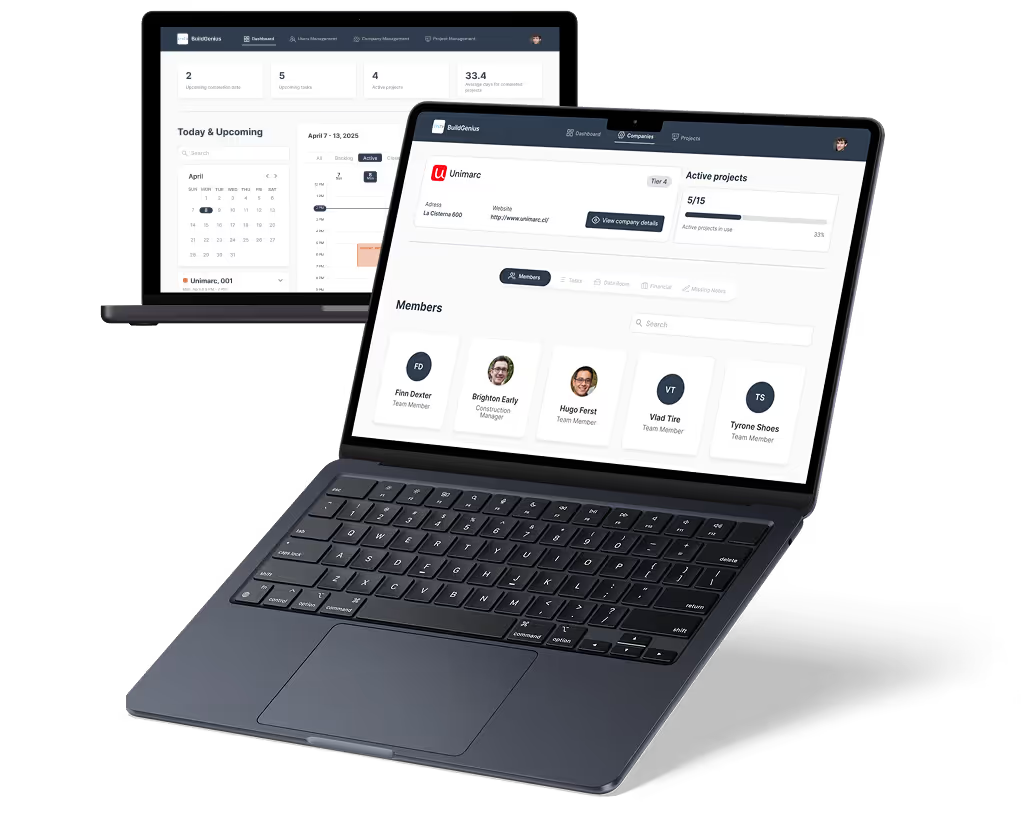
A brand collaboration platform is a B2B marketplace that connects brands seeking co-marketing, co-branded campaign, or strategic partnership opportunities, where both parties are companies rather than individual creators.
The two primary use cases are brand-to-brand co-marketing with complementary audiences, and brand-to-creator partnerships for longer-term ambassadorship rather than one-off sponsored posts.
- How this differs from influencer platforms: Decision cycles run weeks rather than days, multi-stakeholder approval is required on both sides, deal values are larger, and formal contract requirements apply.
- Why existing platforms underserve this market: LinkedIn is too broad, agency networks are gated, and influencer platforms are optimized for individual creators rather than brand-to-brand deals with shared revenue.
- The B2B transaction flow: Both parties complete structured profiles, one brand initiates a proposal, negotiations occur within the platform, a contract is generated, the campaign runs, and shared analytics track performance.
- What the platform manages: Credential verification, matching logic, proposal workflow, contract generation, communication, revenue tracking, and performance reporting for both parties.
The B2B marketplace platform architecture principles that govern trust, verification, and contract complexity on business-to-business platforms are the right starting point before designing the platform's user journey.
What Features Does a Brand Collaboration Platform Need?
A brand collaboration platform requires discovery tools, proposal workflows, contract infrastructure, and shared campaign management. These are the core features for marketplace platforms that handle multi-party contracts and payment complexity, and they are the most critical infrastructure to get right before launch.
Build the contract and matching infrastructure first. Search and messaging are easier to iterate than revenue share logic retrofitted into a live system.
Brand Profile and Portfolio System
Company profile with brand description, industry category, target audience demographics, geographic reach, past collaboration highlights, partnership preferences, and minimum campaign budget threshold. Include business verification badge, founding year, and approximate revenue range to signal credibility to other brands.
Discovery and Filtering Engine
Search by industry vertical, audience overlap score, geographic market, campaign type preference, and budget range. Audience overlap analyzis, where two brands serve similar demographics without direct competition, is the highest-value discovery feature and should be built early.
Partnership Request and Proposal Workflow
The initiating brand sends a collaboration brief with campaign concept, proposed contribution, and expected outcomes. The receiving brand reviews and accepts, rejects, or counters. Negotiation thread within the platform precedes the contract stage.
Contract and Revenue Sharing Agreement Builder
Template agreements for co-branded campaigns covering cost split, revenue share, content ownership, usage rights, co-branding guidelines, and FTC co-marketing disclosure requirements. These are the features most commonly underbuilt in first versions and most expensive to retrofit.
Campaign Management and Deliverable Tracking
Shared project workspace with timeline, deliverable assignments, content review and approval, asset repository, and launch checklist. Both brands need visibility into shared campaign execution, not just their own tasks.
Shared Analytics and Performance Dashboard
Joint campaign reporting covering reach, impressions, click-through, conversions, and revenue attribution split by brand contribution. Shared dashboards that both partners can access maintain accountability and demonstrate platform value beyond the introduction.
How Do You Manage Brand Partners and Maintain Quality?
Applying partner management in marketplace apps principles to brand-to-brand relationships, including performance scoring, reliability metrics, and structured dispute escalation, creates the accountability layer that makes the platform trustworthy for repeat partnerships.
Business verification is the first trust layer, but ongoing quality management is what keeps the platform's supply credible as it grows.
- Business verification at registration: Verify domain ownership, LinkedIn company page, and basic public information before allowing full platform access, not relying on self-declaration alone.
- Brand credibility signals: Years in business, industry awards, press mentions, past campaign case studies, and partner testimonials replace the follower count metrics that signal credibility on influencer platforms.
- Audience alignment scoring: The platform should calculate overlap between two brands' audience demographics using declared target customer profile data, creating the matching signal that justifies platform value beyond a LinkedIn search.
- Partnership ratings after completion: Both brands rate reliability, professionalism, deliverable quality, and revenue share adherence after each completed collaboration, building a track record visible to future potential partners.
- Structured dispute process: Co-branded campaigns involve shared creative control and disagreement risk, so build an escalation path, evidence submission workflow, and platform mediation before the first dispute happens.
Brand disputes over shared creative control are common in co-branded campaigns. A defined resolution process built before launch protects the platform's reputation when they occur.
How Do Revenue Sharing and Payments Work?
The marketplace payment infrastructure decisions made at build time, including escrow logic, split payment mechanics, and revenue attribution, are the hardest to change after launch and the most damaging if wrong.
Co-branded campaign payments involve split costs, shared revenue, and cross-border transactions that standard marketplace payment templates do not handle.
- Cost-split payments: Both brands contribute to a shared campaign budget that the platform holds in escrow and releases to vendors on joint approval from both brand accounts.
- Revenue share tracking: If the collaboration generates direct revenue from product bundle sales or co-branded launches, the platform must track attributed revenue and calculate splits per the agreement terms.
- Usage rights payments: Brands licensing creative assets from each other may involve licensing fees on top of campaign costs, and contract templates must capture these terms with payment infrastructure to support them.
- International partner payments: Multi-currency invoicing, VAT and GST compliance, and bank transfer support alongside card payment are baseline requirements for a global B2B platform.
Setting split payment and escrow logic at architecture stage prevents the revenue attribution disputes that consistently damage brand relationships in the first year of live partnerships.
What Legal and Compliance Requirements Apply?
Integrating the legal framework for marketplace builds including disclosure requirements, IP agreements, and data compliance into the platform workflow is what makes a brand collaboration platform a trustworthy business tool rather than an informal introduction service.
Legal infrastructure is not optional in a platform where brands share creative assets, co-own campaign content, and split commercial revenue.
- FTC co-marketing disclosure: FTC guidelines require clear disclosure of co-marketing arrangements when both brands benefit commercially from content, so build disclosure prompts and confirmation into the campaign workflow.
- IP and content usage rights: Platform contracts must specify who owns co-created content, what usage rights each party receives, for how long, and across which channels, because these disputes are the most common source of collaboration breakdowns.
- Revenue share agreement enforceability: Revenue share terms, payment trigger conditions, and dispute resolution clauses must be legally reviewable and solicitor-approved, while allowing brands to substitute their own legal documents.
- GDPR and CCPA compliance: The platform processes company data and, in analytics, audience data, so understand what data is processed, for what purpose, and ensure compliance for platform users and their audiences.
Legal review of contract templates before launch is far cheaper than the brand relationship damage caused by discovering unenforceable terms during a live campaign dispute.
How Do You Monetize a Brand Collaboration Platform?
A brand collaboration platform charges for access and tools, not per-transaction commissions on co-marketing budgets that brands rarely disclose to the platform. The right monetization structure matches the B2B procurement cycle and the ongoing value the platform delivers.
Build the discovery and contract infrastructure before introducing premium tiers, because placement value depends on traffic that only exists after the platform is in use.
Membership and Subscription Access
Monthly or annual brand membership at $299-$999 per month for SMB brands and $1,500-$5,000 per month for enterprise. Subscription is the natural model for B2B platforms where brands value ongoing access over per-transaction cost.
Verified Brand Badge
A paid verification tier that includes deeper business verification, featured placement in search results, and a credibility badge visible to potential partners. This signals seriousness to other brands and generates additional revenue from brands wanting to stand out.
Campaign Management Premium Tools
Advanced analytics, solicitor-reviewed contract templates, audience overlap analyzis, and dedicated campaign workspace features available as add-ons above base subscription or as premium tiers. Creates a natural upgrade path as brands run more sophisticated collaborations.
White-Label Licensing for Agencies
Brand agencies managing partnerships for multiple clients can license the platform infrastructure under their own branding. High ticket, low volume, but it validates the platform's B2B infrastructure quality and creates a new acquisition channel.
Conclusion
A brand collaboration platform is a B2B infrastructure play, not a consumer marketplace with company logos. The discovery engine, contract infrastructure, and legal compliance layer are what create real value. Without them, the platform is a LinkedIn group with a payment button.
Build the trust mechanisms first, the discovery tools second, and the monetization around ongoing access rather than per-transaction fees. Before building, identify 20 brands in a specific vertical who would pay to find the right co-marketing partner.
Building a Brand Collaboration Platform? Here Is How We Approach the Architecture.
Most brand collaboration platform builds underestimate the contract and revenue share infrastructure needed before any brand will commit to using the platform for a real campaign. Discovery tools without the legal and payment infrastructure are just an expensive LinkedIn filter.
We are LOW/CODE Agency — an AI product development company for SMBs. We build across the full stack: web apps, mobile apps, AI chatbots, RAG pipelines, and autonomous agents. Custom software, built by experts. We build B2B marketplace platforms from the architecture up, defining the verification and trust infrastructure, building contract and payment workflows for multi-party transactions, and selecting the tech stack for the timeline and complexity level.
- B2B verification workflows: We build the business registration, domain verification, and audience profile systems that let brands qualify potential partners with confidence before initiating a proposal.
- Discovery and matching engine: We design the industry, audience overlap, geographic, and budget filters that surface genuinely relevant partners rather than returning irrelevant broad matches.
- Contract and revenue share infrastructure: We build the template agreement system, revenue attribution logic, and escrow payment flows that make co-branded campaigns manageable within a single platform.
- Campaign management workspace: We design the shared project workspace, deliverable tracking, content approval, and shared analytics dashboard that give both brands full visibility into campaign execution.
- Payment and escrow architecture: We configure the split payment, multi-currency, and escrow logic that handles shared campaign budgets and attributed revenue between brand partners.
- Legal compliance integration: We work with your legal advisors to embed FTC disclosure prompts, IP usage rights, and data compliance flows into the platform workflow before the first campaign goes live.
- Full product team: Strategy, UX, development, and QA from a single team, aligned on the B2B trust requirements from the first day of scoping.
We have built 350+ products for clients including Coca-Cola, American Express, and Sotheby's. We understand the complexity of multi-party B2B transactions and build the infrastructure that makes them manageable at scale.
Related Articles
- How to Build a Business Consultant Marketplace
- How to Build a Broker Marketplace
- How to Build a Brand Outlet Marketplace
- How to Build a Boat Rental Marketplace
- How to Build a Bike Rental Marketplace
- How to Build a Beauty Services Marketplace App
Looking to build a mobile app? Our mobile app development services cover the full build lifecycle.
Last updated on
September 28, 2026
.

Jesus is a visionary entrepreneur and tech expert. After nearly a decade working in web development, he founded LOW/CODE Agency to help businesses optimize their operations through custom software solutions.


FAQs
What are the first steps to create a brand collaboration platform?
Which features are essential for a brand collaboration platform?
How can I ensure security on a brand collaboration platform?
What are common challenges when building a brand collaboration platform?
How does a brand collaboration platform differ from traditional marketing tools?
Can small businesses benefit from a brand collaboration platform?
Related Articles
Marketplace
How to Build a Veterinarian Services Marketplace
Learn key steps to create a successful veterinarian services marketplace with expert tips on features, challenges, and marketing strategies.

Marketplace
Marketplace App Security Architecture Best Practices
Explore key strategies and risks in marketplace app security architecture to protect users and data effectively.
Marketplace
How to Build a Painting Services Marketplace
Learn step-by-step how to create a successful painting services marketplace that connects painters with clients efficiently.
Marketplace
How to Build a Peer to Peer Rentals Marketplace
Learn key steps to create a successful peer to peer rentals marketplace with essential features and strategies for growth.


Why customers trust us for no-code development


