

iOS Mobile App Development: Complete Guide
14 min
read
Building an iOS mobile app? Get a complete guide covering costs, timelines, tech choices, and what to expect from the process.

Building for Apple's ecosystem means choosing the platform with the highest-spending users and the strictest quality standards in mobile. iOS mobile app development remains the top priority for businesses targeting premium markets.
Whether you need a consumer app or an enterprise tool, understanding how iOS mobile app development works helps you make smarter investment decisions. This guide covers everything from frameworks to costs to finding the right team.
Key Takeaways
- Swift and Xcode are the core tools used to build iOS apps exclusively for Apple devices including iPhone and iPad.
- Higher spend per user Apple users pay 2x more on in-app purchases than Android users, making iOS ideal for revenue-focused products.
- Cost range iOS development typically runs $50K to $300K depending on complexity, features, and the development team you choose.
- App Store review adds 1 to 3 days to every release cycle, requiring careful planning in your development timeline.
- Cross-platform trade-offs alternatives like Flutter reduce costs but sacrifice some native iOS performance and platform-specific features.

What Is iOS Mobile App Development?
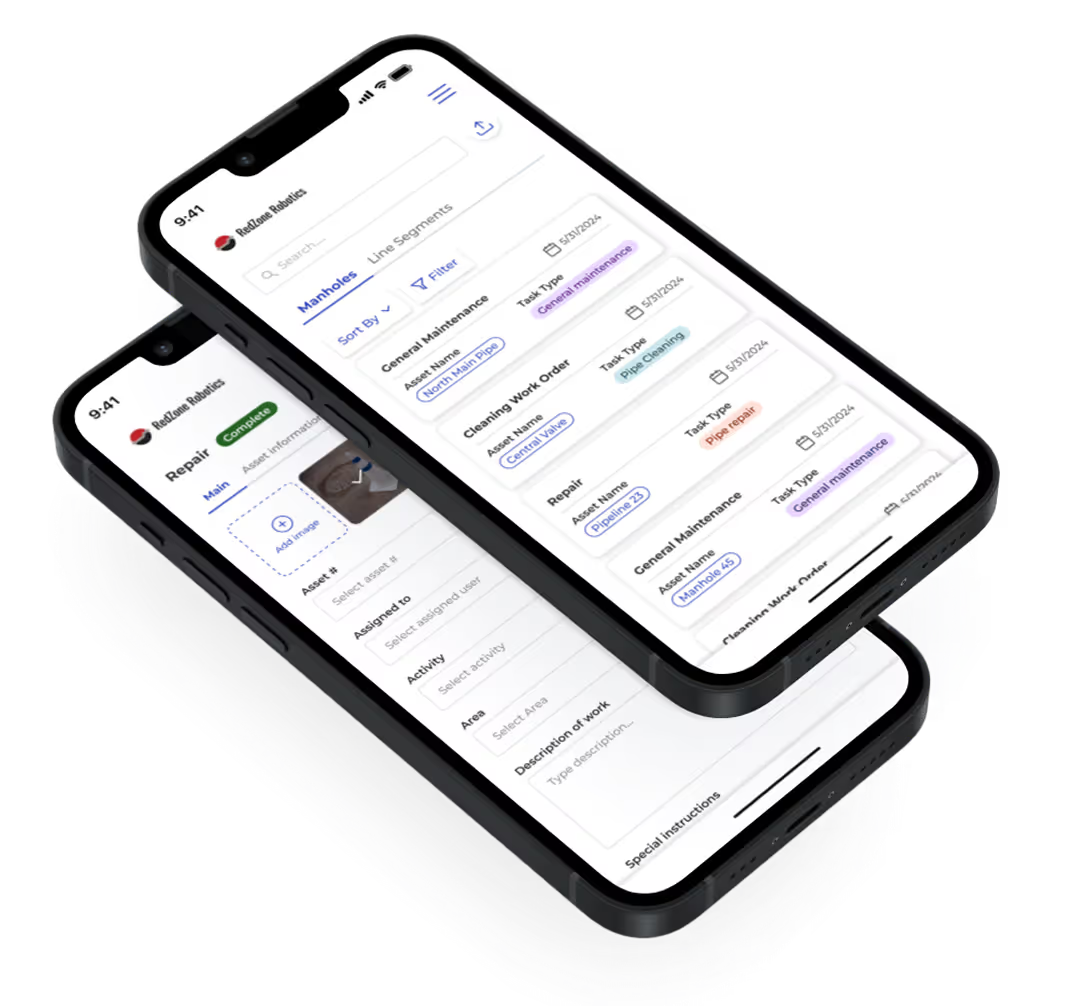
iOS mobile app development is the process of building applications that run natively on Apple devices using Swift, Objective-C, and Apple's development tools.
iOS mobile app development focuses on creating apps specifically designed for iPhones, iPads, Apple Watches, and Apple TVs. The process uses Apple's proprietary tools and follows strict App Store guidelines that govern design, performance, and privacy.
- Swift is the primary language for modern iOS development, replacing the older Objective-C for most new projects
- Xcode serves as the official development environment, providing simulators, debugging tools, and interface builders for iOS projects
- UIKit and SwiftUI are the two main frameworks developers use to build user interfaces for iOS projects
- Mac requirement iOS development requires a Mac computer since Xcode only runs on macOS, affecting team setup and infrastructure costs
- TestFlight enables beta testing before launch, letting teams distribute pre-release builds to up to 10,000 testers
- Developer program fee costs $99 annually and is required to publish apps and access advanced iOS tools and resources
Understanding these fundamentals helps you evaluate proposals from development teams and ask the right questions before signing contracts. Every iOS mobile app development project starts with these building blocks.
Why Should You Choose iOS Mobile App Development Over Android?
iOS mobile app development delivers higher revenue per user, faster development cycles, and a more consistent experience across fewer device types.
The choice between iOS mobile app development and Android depends on your target audience, budget, and business goals. Apple's controlled ecosystem offers several advantages that matter for product quality and revenue. How iOS and Android compare on development cost is an important factor in your platform decision.
- Minimal fragmentation iOS has only a handful of screen sizes compared to thousands of Android device configurations needing testing
- Higher income demographics iOS users have higher average household incomes, making the platform ideal for subscription and e-commerce apps
- Cross-device ecosystem Apple's platform encourages usage that extends naturally to Apple Watch, iPad, and Mac from a single codebase
- Stricter security standards iOS enforces tighter privacy controls, which matters for healthcare, finance, and enterprise development projects
- Shorter timelines iOS development moves faster since fewer device configurations require less testing and optimization work overall
- Editorial discovery App Store features drive visibility for well-designed iOS apps in a way Android's Play Store offers less consistently
That said, Android holds over 70% global market share. Many businesses start with iOS mobile app development and expand to Android later, or choose a cross-platform approach from the start.
How Much Does iOS Mobile App Development Cost?
iOS mobile app development costs between $50,000 and $300,000 for most commercial applications, with complexity being the primary cost driver.
Budgeting for iOS mobile app development requires understanding what drives costs up or down. The total investment depends on features, design complexity, backend requirements, and whether you need integrations with third-party services or hardware.
- Simple app cost projects with basic functionality, standard UI, and minimal backend needs typically cost $50K to $80K
- Mid-complexity cost range apps with custom designs, API integrations, user authentication, and push notifications run $80K to $150K
- Complex app cost exceeds $150K when projects require real-time features, AI, payment processing, or hardware integrations
- Annual maintenance cost runs 15 to 20 percent of the initial build, covering iOS updates, bug fixes, and feature enhancements
- Native vs cross-platform choosing native iOS costs more upfront but delivers better performance and easier maintenance for platform-specific features
Getting detailed estimates from multiple agencies helps you benchmark pricing. Ask for itemized proposals that break down iOS mobile app development costs by phase, feature, and team role.
What Does the iOS Mobile App Development Process Look Like?
The iOS mobile app development process follows five phases: discovery, design, development, testing, and deployment to the App Store.
Every successful iOS mobile app development project follows a structured process that reduces risk and keeps timelines predictable. Skipping phases leads to costly rework, so understanding the full development lifecycle matters before you start.
- Discovery phase takes 2 to 4 weeks to define requirements, user personas, technical architecture, and success metrics
- Human Interface Guidelines UI/UX design follows Apple's standards, ensuring your app meets the platform conventions users expect
- Sprint cadence development runs in 2-week sprints with regular demos so you can review progress and provide feedback
- Real device QA testing on actual hardware is essential since simulators alone cannot catch all iOS performance issues
- App Store compliance submission requires meeting Apple's privacy labels, app review guidelines, and content policies
- Post-launch monitoring tracks crashes and performance using tools like Firebase and App Store Connect analytics after launch
Working with a team that has a proven iOS mobile app development process protects your investment. Ask potential partners to walk you through their methodology step by step.
Should You Build Native iOS or Use Cross-Platform Development?
Native iOS mobile app development offers the best performance and user experience, while cross-platform frameworks save money when you need both iOS and Android.
This is the most common strategic question in iOS mobile app development. Native development uses Swift and Apple's frameworks exclusively, while cross-platform tools like Flutter and React Native share code between iOS and Android from a single codebase.
- Native performance iOS development delivers 60fps animations and seamless access to every Apple API, sensor, and hardware feature
- Shared code savings cross-platform development shares 70 to 90 percent of code between iOS and Android, reducing total cost significantly
- Device integration apps requiring heavy use of camera, Bluetooth, and ARKit benefit from native iOS development for best results
- Content-driven apps work well with cross-platform tools where performance differences from native iOS are barely noticeable to users
- Maintenance complexity differs significantly since native iOS mobile app development only needs one codebase while cross-platform adds framework dependencies
The right choice depends on your product requirements, budget, and timeline. Many businesses launch with cross-platform development and rebuild specific features natively as their iOS mobile app development needs evolve.
What Are the Latest iOS Features Developers Should Leverage?
The latest iOS releases include enhanced machine learning frameworks, improved widgets, live activities, and deeper integration with Apple's hardware ecosystem that create new opportunities for iOS mobile app development.
Staying current with Apple's annual releases gives your iOS mobile app development a competitive edge. Users expect apps to take advantage of new platform capabilities shortly after each iOS update ships.
- Core ML enables on-device machine learning, letting teams build image recognition and natural language processing without cloud dependencies
- WidgetKit and LiveActivities extend your app beyond the icon, keeping users engaged with glanceable information on the home and lock screens
- StoreKit 2 simplifies subscription management, reducing code complexity for in-app purchases in your iOS projects
- Swift concurrency async/await improves app responsiveness by making it easier to handle background tasks without blocking the UI
- App Intents integrate with Siri and Shortcuts, enabling voice-driven interactions that extend your app into hands-free contexts
- Privacy compliance features like App Tracking Transparency require teams to design consent flows that meet Apple's evolving requirements
Building with the latest iOS features requires developers who actively follow Apple's WWDC announcements and adopt new APIs promptly. Ask your iOS mobile app development team how quickly they integrate new platform capabilities into client projects.
How Do You Choose the Right iOS Mobile App Development Partner?
Evaluate iOS mobile app development partners based on their portfolio of shipped iOS apps, technical expertise in Swift, and their communication process.
Selecting the wrong development team is the most expensive mistake in iOS mobile app development. The difference between a good and great agency shows up in code quality, App Store approval rates, and long-term maintenance costs.
- Published app portfolio review their iOS apps in the App Store to verify real experience, not just marketing claims
- Swift expertise ask about their Swift and SwiftUI proficiency since modern iOS development requires fluency in Apple's latest frameworks
- Approval track record check their App Store history because experienced teams know how to avoid common rejection reasons
- QA process evaluate their testing approach to ensure builds are tested on real devices across multiple iOS versions
- Similar project references request contacts from engagements that matched your industry, complexity, and scale requirements
Take time during the evaluation process to ask detailed technical questions. The best iOS mobile app development partners welcome scrutiny because they know their work speaks for itself.
What Are Common Mistakes in iOS Mobile App Development?
The most common iOS mobile app development mistakes include skipping user research, underestimating App Store guidelines, and neglecting post-launch maintenance.
Even experienced teams make avoidable errors during iOS mobile app development that delay launches, inflate budgets, or produce apps users ignore. Knowing these pitfalls helps you plan your mobile app development more effectively.
- Unvalidated features building capabilities nobody asked for wastes budget when teams skip user research and validation before coding
- HIG violations ignoring Apple's Human Interface Guidelines causes rejections that add weeks to your timeline during App Store review
- Performance neglect skipping optimization frustrates users since iOS apps must account for older devices still running supported iOS versions
- Hardcoded secrets embedding API keys creates security vulnerabilities that Apple's review process increasingly catches during submissions
- Launch is not the end treating it as the finish line kills apps since iOS requires ongoing updates for new versions released annually
- Review complexity underestimating App Store requirements leads to repeated rejections when privacy descriptions, metadata, and content policies miss current standards
Learning from others' mistakes saves you time and money. Share this list with your iOS mobile app development team during kickoff to align on quality expectations from day one.
How Do You Prepare for App Store Submission During iOS Mobile App Development?
Prepare for App Store submission by completing privacy labels, writing compelling store listing copy, creating required screenshots for all device sizes, and ensuring full compliance with Apple's latest review guidelines.
App Store submission is where many iOS mobile app development projects hit unexpected delays. Apple's review process enforces rules that are strict, sometimes subjective, and change regularly throughout the year.
- Privacy nutrition labels require complete disclosure of every data type your app collects, how it is used, and whether it links to identity
- Screenshot requirements App Store submissions must cover all device sizes including iPhone 6.7-inch, 6.5-inch, and iPad 12.9-inch displays
- Guideline updates App Review Guidelines change quarterly and your team must check the latest version before every submission
- IAP configuration in-app purchase setup must match your pricing with subscription groups, introductory offers, and promotional offers configured in App Store Connect
- Age rating accuracy incorrect questionnaire responses lead to rejection and potential removal after approval if Apple discovers discrepancies
- Reviewer notes preemptively address common concerns by explaining any features that might look questionable to a reviewer unfamiliar with your app
Budget 1-2 weeks specifically for App Store preparation during your iOS mobile app development timeline. Teams that treat submission as an afterthought face avoidable delays and rejections.
How Long Does iOS Mobile App Development Take?
Most iOS mobile app development projects take 3 to 9 months from kickoff to App Store launch, depending on scope and team size.
Timeline expectations are one of the biggest sources of frustration in iOS mobile app development. Setting realistic milestones requires understanding what affects speed and where delays commonly occur during the mobile app development process.
- MVP timeline a tightly scoped iOS MVP takes 3 to 4 months when the team avoids feature creep during development sprints
- Mid-complexity timeline apps with custom UI, third-party integrations, and thorough testing across device types need 4 to 6 months
- Enterprise timeline iOS projects with security requirements, compliance certifications, and legacy system integrations run 6 to 9 months
- Review time buffer App Store review adds 1 to 7 days per submission and rejections can add weeks if compliance issues require fixes
- Post-launch iterations continue indefinitely since successful iOS mobile app development includes regular updates based on user feedback and analytics
Build buffer into your iOS mobile app development timeline for unexpected issues. Teams that promise unusually fast delivery often cut corners on testing or skip important planning phases.
Conclusion
iOS mobile app development is a significant investment that pays off when you target the right audience with the right team. Apple's ecosystem rewards quality, and users expect polished experiences that justify premium pricing.
Start with clear requirements, choose a partner with proven iOS experience, leverage the latest platform features, and plan for ongoing maintenance from day one. The apps that succeed on iOS are the ones backed by thoughtful strategy and disciplined execution.
Build Your iOS App with LowCode Agency
LowCode Agency is a strategic product team, not a dev shop. We approach iOS mobile app development as a business investment, aligning every technical decision with your growth goals and user needs.
- Full-cycle services covering iOS mobile app development from product strategy through App Store launch and post-release optimization
- Native and cross-platform expertise in Swift, SwiftUI, Flutter, and React Native so you get the right architecture for your product
- 350+ projects delivered for companies ranging from funded startups to enterprise organizations across healthcare, finance, and consumer markets
- Proven client trust Medtronic, American Express, Coca-Cola, Zapier, and Sotheby's rely on us to build mobile products that perform at scale
- Biweekly sprint demos give you visibility into progress and the chance to provide feedback throughout every iOS engagement
- Post-launch support keeps your iOS app updated with each annual platform release and adapts to evolving user needs
Get in touch with our team to discuss your iOS mobile app development project and get a detailed proposal within one week.
Last updated on
March 24, 2026
.

Jesus is a visionary entrepreneur and tech expert. After nearly a decade working in web development, he founded LowCode Agency to help businesses optimize their operations through custom software solutions.


FAQs
What programming languages are used for iOS mobile app development?
How much does iOS mobile app development cost?
How long does iOS mobile app development take?
Should I build my mobile app for iOS first or launch on both platforms simultaneously?
What are the Apple App Store requirements for iOS mobile app development?
What is the difference between native iOS mobile app development and cross-platform?
Related Articles
Mobile App Development
Custom Mobile App Development: What to Know
Considering custom mobile app development? Learn what it involves, how much it costs, and whether it's the right choice for you.

Mobile App Development
Mobile App Discovery Phase: Complete Guide
What is a mobile app discovery phase and do you need one? Get a complete guide to what's included, what it costs, and what you get.

Mobile App Development
Mobile App Testing & QA Process: Full Guide
Skipping QA is how mobile apps fail at launch. Learn how the testing and quality assurance process works and what it should include.

Mobile App Development
Mobile App Scaling & Performance Monitoring
Is your mobile app ready to handle growth? Learn how to monitor performance, catch bottlenecks early, and scale without breaking things.


Why customers trust us for no-code development


